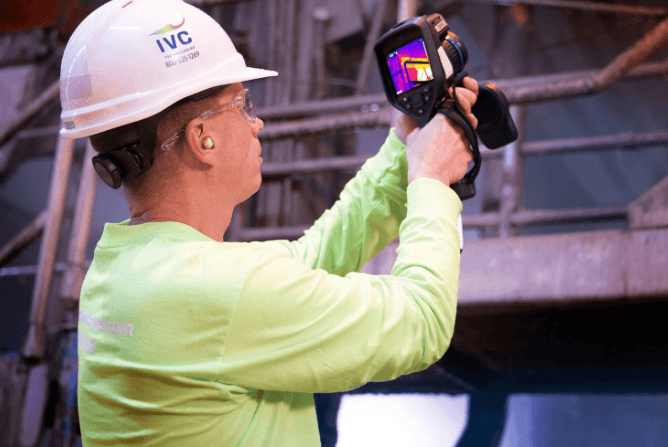
The process of IR thermography achieves high accuracy defect detection for various systems, which include both electrical and mechanical systems, as well as building structures, through its ability to conduct tests without causing physical harm to the systems. The system detects equipment faults through temperature variations, which remain invisible to human vision until they reach extreme levels that could create significant operational troubles. The need for preventive maintenance has led to infrared thermography becoming essential for industrial operations that require such maintenance practices. Below are five points illustrating its importance.
Thermal Patterns Reveal Electrical Irregularities
Most electrical systems provide telltale signs prior to their malfunction, and IR thermography helps identify them based on temperature readings. The electrical circuits produce heat when they experience overload conditions because their connections become loose and their phase imbalance results in resistance, which causes energy loss. Thermal imaging enables the detection of abnormal temperature differences through the inspection of electrical paneling, switchgears, and wiring systems. The system enables technicians to identify specific problem areas without needing to disassemble the system because it provides an efficient diagnostic process that saves time. The identification of overheating components helps prevent additional damage, which would otherwise extend to other system components.
Mechanical Wear and Friction Detection
Mechanical systems produce thermal energy because of their operational requirements, which involve excessive friction combined with equipment misalignment and insufficient lubrication. Mechanics use infrared technology to identify heat distribution patterns across the machine’s bearings, shafts, belts, and moving components. A component develops higher temperatures than the rest of its parts, which indicates the component might experience degradation or its operation will become less effective. The observation enables the implementation of preventive actions, which include oiling, aligning, and replacing the defective part before the system experiences a breakdown. The equipment achieves higher operational efficiency and extended operational life because of this process.
Preventing Downtime Through Predictive Maintenance
In one of the most important uses of thermal imaging, there is the prevention of the unpredictable breakdown of equipment. With periodic implementation of infrared imaging tests, companies can detect any faults at an early stage to prevent further damage before equipment malfunctions. Such a strategy will prevent any interruptions in the manufacturing process and will save money on unpredictable expenses associated with repairing the equipment. In many cases, businesses choose to invest in reliable infrared thermography services thatr to ensure consistent monitoring by trained professionals using calibrated equipment. This practice provides for the better use of company assets, ensures the safety of workers, and increases productivity.
Insulation Defects in Buildings and Enclosures
Infrared imaging plays a significant role in the detection of leaks, insulation deficiencies, and air drafts in buildings. Insulation deficiency leads to inconsistent temperatures on the surface of the structure, which are evident from the thermal image obtained using IR thermography. Areas with low temperature could be pointing towards a leak of heat in the building. In contrast, high temperatures may indicate an accumulation of moisture. This process will help in increasing the energy efficiency of the building, reducing energy consumption, and maintaining comfortable conditions inside the premises. It also enables the identification of any flaws in the construction of the building.
See also: The Tech Behind Online Bus Ticket Booking Systems
Data-Driven Decision Making and Trend Analysis
Aside from locating faults, thermal imaging is capable of providing information that could be compared over time. The patterns that emerge when technicians compare their thermal imaging results could help in identifying issues that slowly develop or recur. In this case, information becomes valuable for better decision-making, which would allow maintenance crews to attend to the most pressing matters. More sophisticated IR thermography systems usually include the use of software that enables users to store the images they obtain and provide comments and reports regarding their findings. Through this, technicians would have improved communications with their superiors, while asset management becomes easier for companies.The use of infrared thermography provides a complete solution for detecting hidden problems within various systems. It is used for detecting problems ranging from electrical faults to mechanical wear, insulation failures, and more. In addition to this, thermal imaging plays a crucial role in preventive maintenance, which helps in avoiding system failures and downtime. This technology also enables the visualization of heat signatures in order to detect any underlying faults or problems. With the help of IR thermography, it will become easier for companies to improve their systems and enhance their overall performance.