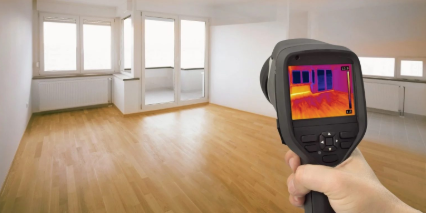
A thermal inspection camera is a powerful tool used to detect heat patterns, identify hidden issues, and improve safety in various industries. By capturing infrared images, these cameras allow users to spot temperature differences that are invisible to the naked eye, making them essential for maintenance, electrical inspections, building diagnostics, and more.
What Is a Thermal Inspection Camera?
A thermal inspection camera also known as an infrared camera, detects infrared radiation and converts it into a visual image called a thermogram. The image displays temperature variations across surfaces, highlighting areas that may indicate problems such as electrical faults, insulation issues, or mechanical failures.
How Thermal Inspection Cameras Work
- Infrared Detection: The camera senses infrared energy emitted by objects.
- Conversion to Thermogram: The detected energy is converted into a thermal image, showing heat variations in different colors.
- Analysis: Professionals analyze the image to identify anomalies, hot spots, or cold areas that may indicate issues.
Applications of Thermal Inspection Cameras
Electrical Inspections
Detect overheating components, faulty wiring, or overloaded circuits to prevent equipment failure and fire hazards.
Building Diagnostics
Identify heat loss, poor insulation, moisture intrusion, and HVAC system inefficiencies in residential and commercial buildings.
Mechanical Inspections
Monitor machinery, motors, and mechanical equipment to detect friction, wear, or overheating before failures occur.
Safety and Security
Thermal cameras can detect body heat, making them useful for night surveillance, search and rescue operations, and industrial safety monitoring.
See also: Digital Health Technology Trends
Energy Audits
Assess energy efficiency by pinpointing areas of heat leakage and improving overall energy management.
Benefits of Using a Thermal Inspection Camera
Early Problem Detection
Identify issues before they become serious, reducing downtime and costly repairs.
Improved Safety
Detect potential hazards such as electrical faults or overheating machinery without physical contact.
Cost Savings
Preventive maintenance with thermal cameras reduces repair costs, energy waste, and equipment replacement expenses.
Non-Invasive Inspections
Thermal cameras allow inspections without disrupting operations, walls, or machinery.
Enhanced Data Accuracy
Provides precise temperature readings and visual evidence to support maintenance and repair decisions.
Key Features to Consider
- Resolution: Higher resolution provides clearer thermal images, improving accuracy.
- Temperature Range: Choose a camera suitable for the expected temperature variations in your application.
- Portability: Lightweight and handheld cameras offer flexibility for on-site inspections.
- Integration: Some cameras allow connectivity with software for detailed analysis and reporting.
- Durability: Industrial-grade cameras are designed to withstand harsh environments and extended use.
Tips for Effective Use
- Regular Calibration: Ensure accurate readings by calibrating the camera according to manufacturer guidelines.
- Training: Proper training helps users interpret thermal images correctly.
- Routine Inspections: Schedule regular thermal inspections for preventive maintenance.
- Document Findings: Keep records and thermograms for trend analysis and compliance reporting.
Conclusion
A thermal inspection camera is an essential tool for industries that require safety, efficiency, and proactive maintenance. By identifying temperature anomalies, preventing equipment failures, and improving energy efficiency, these cameras save time, reduce costs, and enhance operational safety. Investing in a high-quality thermal inspection camera ensures reliable results and supports effective decision-making in a wide range of applications.
Frequently Asked Questions
1. What industries use thermal inspection cameras?
They are widely used in electrical, mechanical, construction, energy auditing, safety, and security sectors.
2. Can thermal cameras detect moisture or leaks in buildings?
Yes, they can identify temperature differences caused by moisture intrusion or poor insulation.
3. Are thermal inspection cameras difficult to use?
With basic training, most cameras are user-friendly, providing intuitive thermograms for analysis.