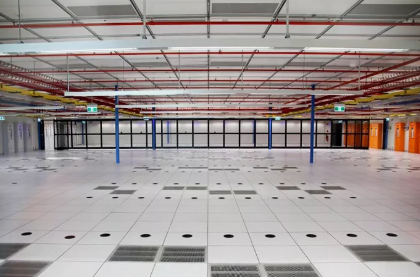
The specifications of a raised floor system can make or break a major construction or renovation project. Whether you are building a state-of-the-art data center, a modern corporate office, or an industrial command center, choosing the right supplier matters enormously. The best raised floor manufacturers combine engineering expertise, quality materials, and reliable service to deliver systems that perform under real-world conditions for decades.
What Sets the Best Manufacturers Apart?
In a crowded marketplace, the top manufacturers differentiate themselves through a combination of factors: superior raw materials, advanced manufacturing processes, rigorous quality control, and a proven track record on large-scale projects. They invest continuously in product development and maintain certifications from recognized international standards bodies. Their products cost more than budget alternatives, but they also last longer and perform more reliably.
Investment in Research and Development
Leading manufacturers continuously invest in R&D to improve their products. This includes developing new core materials with better fire resistance, creating thinner panels with higher load capacity, and engineering pedestals with greater height adjustability. The benefit for buyers is access to innovative products that solve emerging infrastructure challenges.
Advanced Quality Control Systems
Top manufacturers implement quality management systems aligned with ISO 9001 standards. Automated measurement systems check panel dimensions to within 0.1mm tolerance, load testing is performed on samples from every production batch, and surface finish quality is inspected visually and mechanically before shipping.
How to Find and Evaluate Top Manufacturers
Start your search through industry associations, trade publications, and online directories. Attend trade shows such as Facility Management conferences or data center expos where leading manufacturers exhibit their products. Once you have a shortlist, request detailed product specifications, load test certificates, and reference lists from completed projects similar to yours.
Requesting Product Samples
Before committing to a large order, request physical product samples. Examine the panel construction, surface finish quality, edge sealing, and pedestal design. Test the panel by placing it on sample pedestals and standing on it — you should feel no flex or vibration. Check that panel edges align perfectly with adjacent panels.
Reviewing Completed Project References
Ask for contact details of facility managers at previously completed projects and take the time to call them. Inquire about product performance over time, any issues that arose, and how the manufacturer responded. These conversations reveal far more about actual product quality and supplier reliability than any marketing materials.
Understanding Pricing and Total Cost of Ownership
The purchase price of raised floor panels is only one component of total cost. Installation labor, long-term maintenance requirements, replacement rates, and the cost of any downtime caused by flooring failures all contribute to the true total cost of ownership. A premium product with a 25-year lifespan and minimal maintenance may cost less over time than a budget alternative that requires panel replacements within 10 years.
Calculating Total Cost of Ownership
When comparing quotes, ask each manufacturer for their recommended maintenance schedule and expected component replacement intervals. Factor in installation costs, which vary depending on the system’s complexity. Panels requiring specialized installation tools or larger crews will cost more to install than simpler systems.
Volume Discounts and Long-Term Partnerships
If you manage multiple facilities or plan ongoing construction projects, establishing a long-term supply relationship with a manufacturer can yield significant volume discounts. Many manufacturers offer preferred supplier agreements that lock in pricing and guarantee product availability across multiple project phases.
See also: Boost Your Business 659913835 Online Platform
Environmental and Sustainability Considerations
Sustainability is an increasingly important factor in purchasing decisions for large commercial projects. Ask manufacturers about the recycled content of their panels, their manufacturing carbon footprint, and whether their products are certified under environmental schemes such as LEED or BREEAM. Products made from recycled steel and responsibly sourced core materials contribute to your building’s sustainability credentials.
Frequently Asked Questions
Q: How many raised floor manufacturers are there globally?
A: There are hundreds of manufacturers worldwide, ranging from small regional suppliers to large international companies with global distribution networks. The largest markets are in North America, Europe, and East Asia.
Q: What is the average delivery lead time for raised floor panels?
A: Standard products are typically shipped within 4 to 8 weeks from order. Custom specifications may require 10 to 16 weeks. Always confirm lead times before project scheduling.
Q: Can I mix panels from different manufacturers in the same installation?
A: While technically possible if panel dimensions match, mixing manufacturers is not recommended. Minor dimensional variations can cause alignment issues and warranty complications. Stick to a single supplier per installation wherever possible.
Conclusion
The search for quality raised floor manufacturers requires time and diligence, but the effort is well rewarded. By focusing on product certifications, proven performance, and the manufacturer’s commitment to customer support, you can select a supplier raised floor manufacturers who will deliver a flooring system that serves your building reliably for many years. Do not let price be your only guide — the quality of your floor is the foundation of everything built above it.