Imagine a world where you could travel without a care in the world, knowing every step you take is monitored by gadgets designed to keep you safe. That’s not some sci-fi movie plot; it’s the reality we live in today. From airports to public events, scanning gadgets and vehicle inspection equipment have become our silent guardians, working behind the scenes to ensure our safety. But how did we get here? Let’s take a walk down memory lane.
From metal detectors to full-body scans
Remember the first time you saw a metal detector? Probably at an airport or maybe at a concert. These were the pioneers of security scanning technology. Simple yet effective, they beeped when detecting metals, signaling the presence of potentially dangerous items. Metal detectors were great for their time, but as threats evolved, so did the need for more sophisticated technology.
Enter full-body scanners. Now, these are a whole different ball game. Instead of just detecting metals, full body scanners can scan your entire body for any hidden objects. It’s like having X-ray vision but without the superpowers. These scanners use advanced imaging technology to create detailed images of what’s under your clothes, ensuring nothing dangerous gets through. It’s fascinating how we’ve gone from basic metal detection to this high-tech solution in just a few decades.
How technology spots threats before they happen
Ever wondered how these machines can tell if something’s amiss? It’s all about sophisticated algorithms and imaging techniques. For instance, millimeter wave scanners use electromagnetic waves to detect anomalies on a person’s body. They create a 3D image that highlights anything out of the ordinary. It’s like having a super-smart sentinel watching over us.
Then there are backscatter X-ray systems, which are particularly good at spotting organic materials. These scanners shoot low-dose X-rays that reflect off the body and any concealed items, producing an image that can reveal hidden contraband or weapons. It’s almost like magic, but with science doing all the heavy lifting.
Privacy matters in a high-tech world
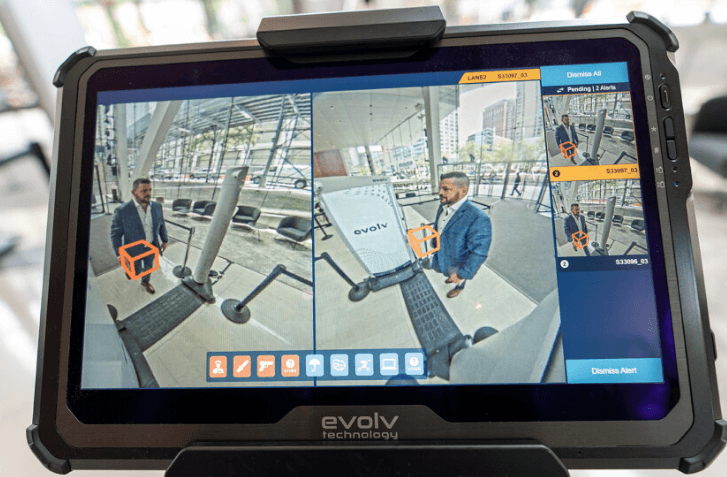
With all this advanced technology, there’s always the question of privacy. How do we balance security with personal freedom? It’s a tricky line to walk. Full-body scanners have sparked debates about privacy infringement since they can produce detailed images of our bodies. However, many modern systems now use generic outlines or automated threat detection to minimize privacy concerns.
Regulatory bodies have stepped in to ensure these technologies are used responsibly. For example, in Europe, there’s strict guidance on how data from these scans should be handled and stored. The goal is to keep us safe without turning every scan into an invasive procedure. It’s a delicate dance between keeping threats at bay and respecting individual rights.
See also: The Tech Behind Online Bus Ticket Booking Systems
The future is here: drones and ai in security
If you think current technology is impressive, wait until you hear about what’s coming next. Drones equipped with advanced sensors and AI are set to revolutionize security scanning. Imagine drones patrolling large venues or borders, scanning for threats autonomously. These flying guardians can cover more ground than human patrols ever could, and their AI brains can analyze data in real-time to spot potential dangers.
Artificial intelligence doesn’t stop at drones either. AI-powered security systems can learn from patterns and predict potential threats before they happen. By analyzing data from various sources—like social media, surveillance cameras, and past incidents—AI can provide early warnings and help prevent disasters. It’s like giving our security systems a crystal ball to foresee danger.
In conclusion, from humble beginnings with metal detectors to the sophisticated full-body scanners of today—and looking forward to a future with AI and drones—scanning gadgets have truly become our everyday heroes. They’ve evolved alongside our needs, ensuring that while we go about our lives, there’s always an invisible shield protecting us from harm.