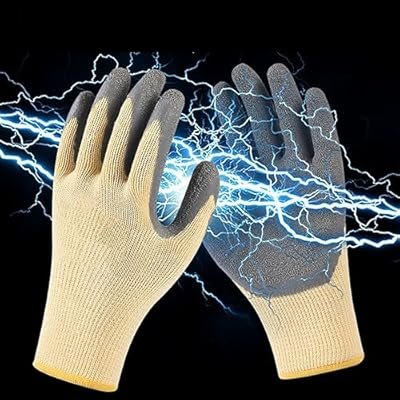
Electrical work is one of the most hazardous professions in the industrial sector. Electricians, maintenance technicians, utility workers, and engineers often work around live electrical systems, high-voltage equipment, and dangerous circuits. In these environments, safety is not optional—it is critical. One of the most important pieces of personal protective equipment used in the electrical industry is insulated gloves for electrical work.
These specialized gloves are designed to protect workers from electric shock, burns, and other serious injuries caused by contact with electrical currents. High-quality insulated gloves provide a protective barrier between the worker and electrical hazards, helping maintain workplace safety and compliance with industry regulations.
What Are Insulated Gloves for Electrical Work?
Insulated gloves for electrical work are specially manufactured protective gloves made from non-conductive materials, usually rubber, designed to prevent electric current from passing through the hands and body.
These gloves are tested and certified according to electrical safety standards to ensure they provide effective insulation against specific voltage levels.
Electrical insulated gloves are commonly used by:
- Electricians
- Power line workers
- Utility technicians
- Maintenance engineers
- Industrial electricians
- Renewable energy workers
They are considered essential safety equipment in environments involving live electrical systems.
Importance of Insulated Gloves in Electrical Work
Electric shock can cause severe injuries, burns, muscle damage, or even death. Even low-voltage exposure can create dangerous situations in workplaces.
Insulated gloves significantly reduce these risks by creating a protective barrier between the worker and energized equipment.
The main benefits include:
- Protection against electrical shock
- Prevention of electrical burns
- Improved workplace safety
- Compliance with safety regulations
- Increased worker confidence and productivity
Without proper insulated gloves, electrical tasks become extremely dangerous.
Materials Used in Electrical Insulated Gloves
Electrical insulated gloves are primarily made using high-quality rubber materials with excellent dielectric properties.
Natural Rubber
Natural rubber offers excellent flexibility and insulation performance, making it a common choice for electrical gloves.
Synthetic Rubber
Synthetic materials provide improved chemical resistance, durability, and aging performance.
Latex Rubber
Latex-based gloves are flexible and comfortable for detailed electrical work.
Leather Protectors
Leather protector gloves are often worn over insulated rubber gloves to prevent cuts, punctures, and mechanical damage.
Classes of Electrical Insulated Gloves
Electrical insulated gloves are categorized into different classes based on the maximum voltage they can safely handle.
Class 00 Gloves
- Maximum use voltage: 500 volts AC
- Suitable for low-voltage electrical tasks
Class 0 Gloves
- Maximum use voltage: 1,000 volts AC
- Commonly used in industrial maintenance
Class 1 Gloves
- Maximum use voltage: 7,500 volts AC
- Used in higher-voltage environments
Class 2 Gloves
- Maximum use voltage: 17,000 volts AC
- Suitable for utility and power distribution work
Class 3 and 4 Gloves
- Designed for extremely high-voltage applications
- Used by power line and utility workers
Selecting the correct glove class is critical for worker safety.
Key Features of Insulated Gloves for Electrical Work
Electrical Protection
The primary function is preventing electrical current from passing through the gloves.
Flexible Design
Modern insulated gloves allow hand movement and dexterity for precise electrical tasks.
See also: Boost Your Business 659913835 Online Platform
Durable Construction
High-quality gloves resist wear, tearing, and punctures during demanding work.
Ergonomic Comfort
Comfortable gloves reduce hand fatigue during extended work periods.
Chemical and Ozone Resistance
Many insulated gloves are designed to resist environmental damage from chemicals, UV exposure, and ozone.
Compatibility with Leather Protectors
Most electrical gloves are designed to be worn with leather outer protectors for additional mechanical safety.
Industries That Use Electrical Insulated Gloves
Power Generation Industry
Workers in power plants and substations rely heavily on insulated gloves for safety.
Construction Industry
Electricians working on building wiring and installations require electrical hand protection.
Manufacturing Plants
Industrial maintenance technicians use insulated gloves while servicing electrical machinery.
Renewable Energy Sector
Solar and wind energy technicians work with high-voltage systems that require protective gloves.
Utility and Transmission Services
Utility workers repairing power lines use high-class insulated gloves for maximum protection.
Advantages of Using Insulated Gloves
Reduces Risk of Fatal Accidents
Electrical insulated gloves are essential for preventing life-threatening injuries.
Enhances Workplace Safety Compliance
Employers can meet occupational safety standards and regulations by providing certified gloves.
Improves Worker Confidence
Workers perform electrical tasks more confidently when properly protected.
Long-Term Cost Savings
Preventing workplace accidents reduces medical costs, downtime, and legal liabilities.
Suitable for Multiple Applications
Different glove classes make these gloves useful across various electrical industries.
How to Choose the Right Insulated Gloves
Choosing the correct insulated gloves depends on the work environment and voltage exposure.
Identify Voltage Requirements
Always select gloves rated for the maximum voltage level of the job.
Check Certification Standards
Ensure the gloves meet recognized electrical safety standards and testing requirements.
Evaluate Comfort and Fit
Properly fitted gloves improve control and reduce hand fatigue.
Inspect Material Quality
High-quality rubber materials provide better durability and insulation performance.
Use Leather Protectors
For additional protection against cuts and abrasion, leather protector gloves should be worn over insulated gloves.
Maintenance and Inspection of Electrical Gloves
Proper inspection and maintenance are essential for maintaining glove safety.
Regular Visual Inspection
Workers should inspect gloves before every use for:
- Cracks
- Holes
- Cuts
- Punctures
- Signs of wear
Air Testing
Inflating gloves helps identify leaks or hidden damage.
Proper Storage
Store gloves in a cool, dry place away from sunlight, chemicals, and sharp objects.
Routine Electrical Testing
Certified testing laboratories should regularly test insulated gloves according to industry standards.
Safety Standards for Insulated Gloves
Electrical insulated gloves must comply with international safety standards to ensure reliable protection.
Common standards include:
- ASTM standards
- IEC safety standards
- OSHA workplace regulations
These standards define voltage ratings, testing procedures, and inspection requirements.
Common Mistakes to Avoid
Using Damaged Gloves
Even small punctures or cracks can compromise insulation performance.
Wearing Incorrect Voltage Class
Using gloves below the required voltage rating can lead to serious accidents.
Ignoring Inspection Procedures
Routine inspections are critical for worker safety.
Skipping Leather Protectors
Rubber insulated gloves alone can be damaged easily without outer protectors.
Future Innovations in Electrical Safety Gloves
Modern manufacturers are continuously improving glove technology to increase worker safety and comfort.
Advanced Rubber Compounds
New materials improve flexibility, durability, and insulation properties.
Ergonomic Designs
Modern gloves are designed to reduce fatigue during long work shifts.
Eco-Friendly Manufacturing
Manufacturers are increasingly focusing on sustainable production practices.
Smart Safety Technology
Some companies are exploring gloves with integrated sensors for advanced hazard detection.
Conclusion
Insulated gloves for electrical work are one of the most important safety tools for professionals working around electrical systems. These gloves provide critical protection against electric shock, burns, and workplace accidents while improving worker confidence and productivity.
From industrial electricians to utility workers and renewable energy technicians, insulated gloves are essential across many industries. Choosing high-quality, properly certified gloves and maintaining them correctly helps ensure maximum protection and long-term performance.
As electrical safety standards continue to evolve, insulated gloves will remain a key component of workplace protection for electrical professionals worldwide.