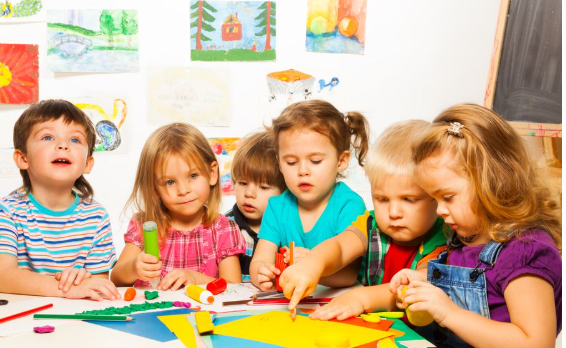
Early childhood is one of the most important stages of development in a child’s life. During these formative years, children begin building social, emotional, communication, and cognitive skills that shape future learning and personal growth. As parents increasingly focus on early learning opportunities, enrolling children in a playgroup hong kong has become a popular choice for supporting healthy development in a fun and interactive environment.
Playgroups provide children with opportunities to explore, communicate, and learn through play-based activities designed to encourage curiosity and confidence. These programs help young children gradually adapt to social settings while preparing them for preschool and future educational experiences.
The Importance of Early Childhood Interaction
Young children learn rapidly through observation, exploration, and interaction with others. Early group learning experiences can support several key developmental areas.
A quality playgroup program helps children:
- Build communication skills
- Improve social interaction
- Develop emotional confidence
- Strengthen motor skills
- Encourage creativity and curiosity
These experiences help children become more comfortable in structured learning environments.
Today, many parents choose a trusted playgroup hong kong to provide children with engaging and supportive early learning experiences.
Benefits of Joining a Playgroup
Playgroups offer several advantages for young children and their families.
Social Development
Children learn how to interact with peers, share toys, follow simple instructions, and develop friendships.
Communication Skills
Songs, storytelling, and group activities help children improve listening and speaking abilities.
Emotional Growth
Participating in group activities encourages confidence, independence, and emotional expression.
Physical Development
Movement activities, games, and hands-on play help strengthen fine and gross motor skills.
What Happens in a Playgroup?
Modern playgroup programs include a variety of structured and creative activities designed for young learners.
Music and Movement Activities
Songs and movement exercises help children improve coordination and rhythm while encouraging participation.
Storytelling Sessions
Interactive storytelling supports language development, imagination, and listening skills.
Creative Play
Art projects, sensory activities, and role-playing games encourage creativity and self-expression.
Group Interaction
Children learn teamwork, cooperation, and communication through shared activities.
The Importance of Play-Based Learning
Play-based learning is widely recognized as one of the most effective methods for early childhood education.
Encouraging Curiosity
Interactive play allows children to explore new ideas and develop problem-solving abilities.
Supporting Brain Development
Creative and sensory activities stimulate cognitive growth and early learning skills.
Building Confidence
Successful participation in activities helps children feel more secure and independent.
How Playgroups Prepare Children for Preschool
Playgroups provide a gentle introduction to structured learning environments.
Learning Routines
Children become familiar with schedules, instructions, and classroom-style activities.
Developing Independence
Group settings encourage children to separate comfortably from parents for short periods.
Improving Social Readiness
Children gain experience interacting with peers and adults outside the home environment.
Importance of Parent Participation
Many playgroups encourage parent involvement during activities.
Strengthening Parent-Child Bonding
Participating together helps strengthen emotional connections and trust.
Supporting Learning at Home
Parents can continue educational activities outside the classroom environment.
Observing Child Development
Parents can better understand their child’s learning style, strengths, and social progress.
The Role of Bilingual Learning in Playgroups
Many modern playgroups offer bilingual or multilingual learning opportunities.
Early Language Exposure
Young children naturally absorb languages through songs, stories, and interactive activities.
Improved Communication Skills
Bilingual environments support listening, speaking, and comprehension development.
Future Educational Benefits
Early language exposure can support long-term academic and communication success.
Future Trends in Early Childhood Playgroups
Early childhood programs continue evolving to meet modern educational needs and family expectations.
Technology Integration
Some playgroups are introducing age-appropriate educational technology and digital learning tools.
Personalized Learning Approaches
Programs increasingly focus on individual developmental needs and learning styles.
Holistic Child Development
Modern playgroups emphasize emotional, social, physical, and cognitive growth together.
Why Choosing the Right Playgroup Matters
A quality playgroup provides much more than entertainment. It creates a safe and nurturing environment where children can build confidence, communication skills, and positive social habits.
As parents continue prioritizing early childhood development, selecting the right playgroup has become an important step in supporting healthy learning and emotional growth.
FAQs
What age is suitable for joining a playgroup?
Many playgroups are designed for children between 6 months and 3 years old, depending on the program structure.
Why are playgroups important for children?
Playgroups support social interaction, communication development, emotional confidence, and early learning skills.
What activities are included in a playgroup?
Activities often include music, storytelling, creative play, sensory exercises, movement games, and social interaction.
Conclusion
Early childhood experiences play a major role in shaping a child’s future learning and development. Joining a playgroup in Hong Kong provides children with opportunities to explore, communicate, and grow in a safe and engaging environment. Through play-based learning, social interaction, and creative activities, children develop important life skills that prepare them for preschool and future educational success.
Investing in quality early learning experiences can help children build confidence, strengthen communication abilities, and develop a positive foundation for lifelong learning.