Intravenous therapy is a fundamental aspect of modern healthcare, enabling the delivery of fluids, medications, and nutrients directly into a patient’s bloodstream. One key component that ensures safety and secure connections in IV therapy is the luer lock system. Proper knowledge of luer lock usage is crucial for reducing complications and improving patient care.
What is a Luer Lock?
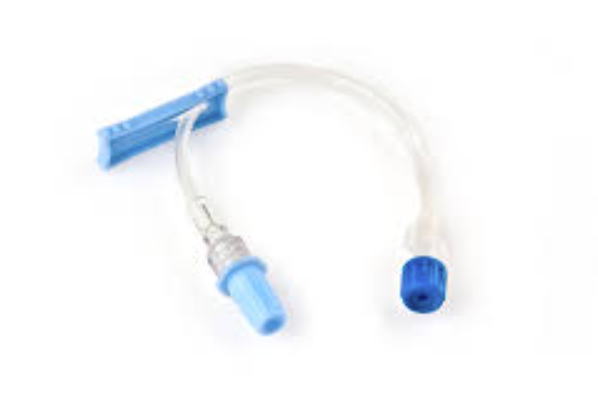
A luer lock is a standardized connector used in medical devices to securely attach syringes, needles, and IV tubing. Its threaded design ensures that connections are tight, minimizing the risk of leaks, accidental disconnections, or medication contamination.
Components of a Luer Lock System
- Threaded Tip: Allows secure attachment to compatible devices.
- Hub: The wider base that connects to tubing or syringes.
- Needle or Catheter Interface: Ensures safe fluid delivery into the patient.
Luer lock connections are widely used in IV therapy, medication administration, and blood sampling. For a detailed reference, healthcare professionals can consult luer lock resources.
Advantages of Luer Lock Connectors
Luer lock connectors provide several benefits in medical practice:
- Secure connections that prevent accidental disconnections.
- Reduced risk of leaks or fluid loss.
- Compatibility with a wide range of medical devices.
- Enhanced patient safety during IV therapy or injections.
Types of Luer Lock Connections
Standard Luer Lock
Used in most medical procedures, standard luer locks are compatible with syringes, IV lines, and needles for routine administration.
Needleless Luer Lock
Designed to reduce the risk of needle-stick injuries, needleless luer locks are used with IV ports and other devices that allow medication delivery without piercing the skin.
Specialty Luer Lock
Certain procedures may require specialty luer locks designed for high-pressure infusion, pediatric use, or critical care applications.
Applications in Healthcare
Luer lock systems are used in multiple clinical scenarios:
- IV Therapy: Securely attaches tubing and syringes to prevent leaks.
- Medication Administration: Provides reliable connections for safe drug delivery.
- Blood Sampling: Ensures secure attachment of needles and tubes for accurate sample collection.
- Critical Care: Used in emergency and intensive care settings to guarantee safe and rapid fluid administration.
See also: The Tech Behind Online Bus Ticket Booking Systems
Proper Handling and Maintenance
To ensure safe use of luer lock connectors:
- Verify that the connection is secure before beginning fluid or medication administration.
- Use aseptic technique when connecting or disconnecting devices.
- Monitor for leaks or accidental disconnections during therapy.
- Replace luer lock connectors according to hospital protocols.
- Inspect connectors for damage, cracks, or wear before use.
Troubleshooting Common Issues
- Loose Connections: Ensure the threads are properly engaged.
- Leaks: Check for damage or improper attachment.
- Contamination: Maintain aseptic technique to prevent infection.
- Difficulty Connecting: Ensure compatibility of devices and proper alignment of threads.
FAQs About Luer Lock
1. What is a luer lock used for?
It is used to create a secure connection between syringes, needles, and IV tubing, preventing leaks and accidental disconnections.
2. Can luer lock connectors reduce the risk of infection?
Yes. When used with proper aseptic technique, luer locks minimize contamination and reduce infection risk.
3. Are all medical devices compatible with luer locks?
Most standardized devices are compatible, but specialty equipment may require specific luer lock designs.
Conclusion
Understanding luer lock connectors is essential for safe and effective intravenous therapy, medication administration, and blood sampling. Proper handling, secure connections, and adherence to hospital protocols enhance patient safety and treatment outcomes. For a detailed guide on healthcare professionals can consult Kmed Health’s resources.