Pain is personal. What feels like a mild sting to one person can feel unbearable to another. And when you are sitting in a tattoo studio or a laser clinic, waiting for a procedure to begin, that fear is not irrational. It is very real. Skin numbing cream exists precisely for this reason. Not as a luxury. It is a practical tool that helps people go through procedures they would otherwise avoid or dread.
Let’s break it down properly.
What Skin Numbing Cream Actually Does
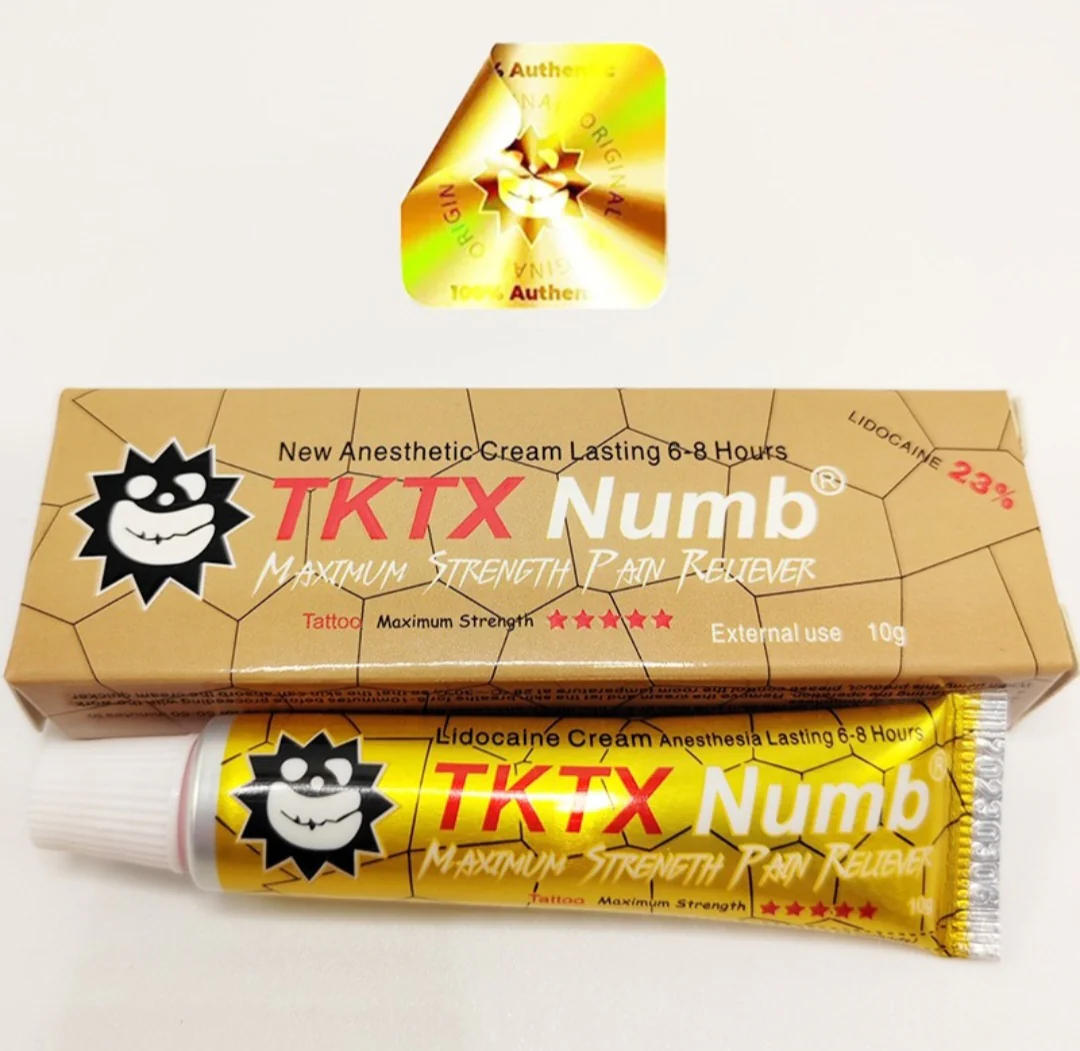
Skin numbing cream works by temporarily blocking pain signals at the surface of the skin. The active ingredients, most often lidocaine, prilocaine, or benzocaine, interfere with nerve signal transmission. When applied correctly, the skin loses sensation in the treated area for a window of time.
That window matters. Procedures like tattooing, laser hair removal, cosmetic injections, and waxing all involve some degree of discomfort. Numbing cream does not eliminate every sensation. It reduces the sharp, stinging, or burning feeling that most people dread.
Lidocaine is perhaps the most studied of these ingredients. Research published through the National Institutes of Health confirms its effectiveness as a topical local anesthetic when used at appropriate concentrations. The Therapeutic Goods Administration (TGA) in Australia regulates the use of these active ingredients to ensure products meet safety standards before they reach consumers.
Why Some People Still Hesitate
There is a fairly common assumption that numbing cream is only for people who are “bad with pain.” That is not true. Pain tolerance varies widely based on biology, the procedure type, the body part, and even stress levels on a given day.
Some people also worry that using numbing cream somehow makes a tattoo less meaningful, or that a laser technician might judge them. That thinking is worth letting go of. Practitioners across Australia regularly recommend numbing creams because they make procedures easier for both the client and the professional performing the treatment.
The real hesitation, for many people, comes down to not knowing which product to choose, or whether it is even safe to use without a prescription.
Here is why that concern is worth addressing directly.
TGA Approval and What It Means for You
In Australia, topical anesthetics intended for consumer use are assessed by the TGA. Products listed on the Australian Register of Therapeutic Goods (ARTG) have met specific safety, quality, and efficacy requirements.
Before purchasing any skin numbing cream, check the label for an AUST L or AUST R number. This confirms the product has been evaluated and approved for use. Products without this registration have not gone through the same assessment process.
Lidocaine-based creams are available over the counter at certain concentrations, typically up to 4-5%. Higher concentrations require a prescription. Always read the product instructions carefully and consult a pharmacist or healthcare professional if you are unsure what is appropriate for your skin type or procedure.
How to Apply It the Right Way
Getting the most out of skin numbing cream comes down to timing and technique. Most products need 45 to 60 minutes to take full effect, though some practitioners recommend up to 90 minutes for deeper procedures.
Here is a straightforward application process:
- Clean and dry the skin before application
- Apply a generous, even layer over the treatment area.
- Cover with plastic wrap to retain heat, which helps absorption.
- Remove the covering and wipe the area clean just before the procedure begins.
Avoid applying numbing cream to broken or irritated skin. Do a patch test at least 24 hours before your procedure if you have sensitive skin or a history of reactions to topical products.
See also: The Essential Companion for Everyday Style
Who Should Think Twice Before Using It
Skin numbing cream is not suitable for everyone. People who are pregnant or breastfeeding should consult a doctor before use. Those with known allergies to amide-type or ester-type local anesthetics should avoid products containing lidocaine or benzocaine, respectively.
Children require special consideration, as their skin absorbs substances at a higher rate than adults. Any use on children should be discussed with a paediatrician or GP first.
The Practical Reality
Pain is one of the most common reasons people delay or avoid cosmetic and aesthetic procedures they actually want. A tattoo they have thought about for years. A laser treatment that their dermatologist recommended. A piercing they keep putting off.
Skin numbing cream is not a cure for anxiety. It does not remove every sensation. What it does is reduce a significant barrier for a lot of people, and that is worth taking seriously.
Used correctly, on the right skin, for the right procedure, it is a practical and well-researched option.
Consult a healthcare professional before use if you have any underlying skin conditions, medical history that may affect suitability, or questions about which product is right for your situation.